Foot Blister Treatment and Prevention

Foot blisters develop when fluid collects beneath the outer layer of skin. This protective pocket forms after repeated rubbing or pressure. Blisters appear on the heels, toes, and soles. Shoes that fit poorly sometimes create friction against sensitive areas. Moisture and prolonged activity increase the chance of irritation. A blister may look like a raised bubble filled with clear fluid. Symptoms include tenderness, redness, and discomfort while walking. Some blisters contain blood after deeper skin tissues become irritated. Although many heal without complications, broken skin creates an opening for infection. Increasing warmth, spreading redness, or cloudy drainage deserves prompt attention. Understanding the cause helps prevent repeated irritation and guides proper foot care.

A podiatrist examines the blister and checks the surrounding skin for damage. The evaluation includes reviewing shoe fit, pressure points, and walking patterns. The podiatrist also asks about recent activities and previous blisters. Treatment depends on the blister's size and condition. An intact blister usually benefits from protection because its outer skin shields the tissue underneath. A podiatrist applies appropriate padding or a protective dressing to reduce pressure. Large or painful blisters sometimes require careful drainage under clean conditions. The podiatrist assesses whether infection is present and provides treatment when necessary. Patients with diabetes or reduced feeling in their feet need careful assessment because injuries may escape notice. Follow-up care helps confirm that the skin is healing properly.

Blisters sometimes make standing at work or walking distances painful. Patients may shift weight away from the affected area, placing extra pressure on other parts of the foot. A podiatrist identifies these changes and recommends suitable protection based on the location of the blister. The examination considers whether repeated friction results from foot shape or shoe fit. Podiatric care focuses on relieving pressure and protecting healthy skin. Follow-up visits allow the podiatrist to check healing and address recurring trouble spots. Persistent pain or worsening redness requires reassessment. Proper treatment supports comfortable movement and lowers the risk of skin damage. If you have developed blisters on your feet,  it is suggested that you schedule an appointment with a podiatrist for effective relief and prevention tips.

Blisters may appear as a single bubble or in a cluster. They can cause a lot of pain and may be filled with pus, blood, or watery serum. If your feet are hurting, contact one of our doctors of Apache Foot & Ankle Specialists. Our doctor can provide the care you need to keep you pain-free and on your feet.

Foot Blisters

Foot blisters are often the result of friction. This happens due to the constant rubbing from shoes, which can lead to pain.

What Are Foot Blisters?

A foot blister is a small fluid-filled pocket that forms on the upper-most layer of the skin. Blisters are filled with clear fluid and can lead to blood drainage or pus if the area becomes infected.

Symptoms

(Blister symptoms may vary depending on what is causing them)

  • Bubble of skin filled with fluid
  • Redness
  • Moderate to severe pain
  • Itching

Prevention & Treatment

In order to prevent blisters, you should be sure to wear comfortable shoes with socks that cushion your feet and absorb sweat. Breaking a blister open may increase your chances of developing an infection. However, if your blister breaks, you should wash the area with soap and water immediately and then apply a bandage to the affected area. If your blisters cause severe pain it is important that you call your podiatrist right away.

If you have any questions, please feel free to contact our office located in Las Vegas, NV . We offer the newest diagnostic and treatment technologies for all your foot care needs.


Read more about Blisters

Reasons for Ankle Pain When You Walk

Ankle pain with each step makes everyday activities more difficult, from crossing a parking lot to moving around the house. The ankle supports body weight while allowing the foot to bend and adjust to changing surfaces. Pain develops when an injury or disease disrupts these movements. A sprain stretches or tears the ligaments, which are strong bands that connect bones. Repeated strain also irritates tendons, the cords that attach muscles to bones. Arthritis damages the joint and causes stiffness. Pain sometimes follows a clear injury, but it also develops gradually without a specific accident.

The location and timing of the pain provide useful clues. Pain along the inside of the ankle sometimes involves the tendon that supports the arch. Discomfort at the back may involve the Achilles tendon, which connects the calf muscles to the heel. An old sprain that heals poorly sometimes causes the ankle to feel unstable or prone to giving way. A podiatrist reviews previous injuries and asks when current symptoms began. The examination includes checking tender areas, assessing normal joint movement, and watching the patient walk. X-rays help identify fractures or arthritis. Ultrasounds or an MRI scan provides additional information about damaged tendons and ligaments when the examination suggests these problems.

Treatment depends on the cause and severity of the pain. A podiatrist may prescribe a brace to stabilize the ankle or a walking boot to protect an injured structure. Custom shoe inserts may be prescribed to help redistribute pressure and support foot alignment. To address advanced joint damage or a significant tear, surgery may be needed. Follow-up visits allow the podiatrist to assess healing and adjust the treatment plan accordingly. Sudden severe pain, an obvious deformity, or an inability to bear weight requires urgent medical evaluation. If you have ankle pain while walking, it is suggested that you schedule an appointment with a podiatrist for a diagnosis and appropriate treatment.

Ankle pain can have many different causes and the pain may potentially be serious. If you have ankle pain, consult with one of our doctors from Apache Foot & Ankle Specialists. Our doctor will assess your condition and provide you with quality foot and ankle treatment.

Ankle pain is any condition that causes pain in the ankle. Due to the fact that the ankle consists of tendons, muscles, bones, and ligaments, ankle pain can come from a number of different conditions.

Causes

The most common causes of ankle pain include:

  • Types of arthritis (rheumatoid, osteoarthritis, and gout)
  • Ankle sprains
  • Broken ankles
  • Achilles tendinitis
  • Achilles tendon rupture
  • Stress fractures
  • Tarsal tunnel syndrome
  • Plantar fasciitis

Symptoms

Symptoms of ankle injury vary based upon the condition. Pain may include general pain and discomfort, swelling, aching, redness, bruising, burning or stabbing sensations, and/or loss of sensation.

Diagnosis

Due to the wide variety of potential causes of ankle pain, podiatrists will utilize a number of different methods to properly diagnose ankle pain. This can include asking for personal and family medical histories and of any recent injuries. Further diagnosis may include sensation tests, a physical examination, and potentially x-rays or other imaging tests.

Treatment

Just as the range of causes varies widely, so do treatments. Some more common treatments are rest, ice packs, keeping pressure off the foot, orthotics and braces, medication for inflammation and pain, and surgery.

If you have any questions please feel free to contact our office located in Las Vegas, NV . We offer the newest diagnostic tools and technology to treat your foot and ankle needs.

Read more about Ankle Pain

Excess Body Weight Can Affect Foot and Ankle Health

Excess body weight can place pressure on the feet and ankles with each step. Obesity is defined as having a body mass index, or BMI, of 30 or higher. This number is based on height and weight. Research links higher BMI levels with more foot problems. Extra weight can strain joints. This increases the risk of heel pain, arthritis, and tendon irritation. It can also raise the risk of type 2 diabetes, which can affect foot health. Even routine activities can become uncomfortable when the feet must support added pressure.

The effects of excess weight become noticeable when climbing stairs or walking uphill. These movements can place several times your body weight on the ankles. Foot pain may then make staying active more difficult, creating a frustrating cycle. Some patients develop soreness that limits how far they can walk. Others notice stiffness after standing for long periods. A podiatrist can evaluate foot structure, identify painful areas, and explain how body weight affects movement. This examination helps distinguish weight-related strain from other problems that need attention. Addressing discomfort makes it easier to pursue activity goals safely.

A podiatrist helps patients manage foot pain while working toward better mobility. Treatment options include recommendations for shoes with proper support, custom shoe inserts, and guided stretching. Custom shoe inserts, also called orthotics, help distribute pressure more evenly across the feet. A podiatrist can assess walking patterns and recommend changes to reduce strain. Weight management plays an important role in reducing stress on the ankles and feet. Because pain can interfere with exercise, a treatment plan should consider each patient's comfort and abilities. If you have symptoms of obesity-related foot pain, it is suggested that you schedule an appointment with a podiatrist for diagnosis and treatment.

The more you weigh, the harder your feet must work to support your body. If you’re an obese individual and are concerned about your feet, contact one of our doctors from Apache Foot & Ankle Specialists. Our doctor can provide the care you need to keep you pain-free and on your feet.

Obesity and Your Feet

People who are overweight are putting more pressure on their ankles, knees, and hips as well as their feet. This unfortunately can lead to variety of different issues.

Problems & Complications Stemming from Obesity

  • When the body is overweight, it tries to compensate by changing the way that it moves. An obese person may lean forward and put extra weight on the wrong part of the foot. This puts unnecessary stress on the feet.
  • Obese people are also more likely to develop type II diabetes which is a condition that causes a lot of foot problems. People with diabetes often don’t feel the cuts and sores that they may have on their feet, which can lead to more complicated and severe issues.
  • Plantar fasciitis is another foot condition that can be caused by obesity. Plantar fasciitis is an inflammation of the tissue along the bottom of the foot, which causes pain and stiffness while walking and climbing stairs.

If you have any questions please contact our office located in Las Vegas, NV . We offer the newest diagnostic and treatment technologies for all your foot and ankle needs.

Read more about Obesity and the Feet

Wounds That Don't Heal Need to Be Checked

Your feet are covered most of the day. If you're diabetic, periodic screening is important for good health. Numbness is often a sign of diabetic foot and can mask a sore or wound.

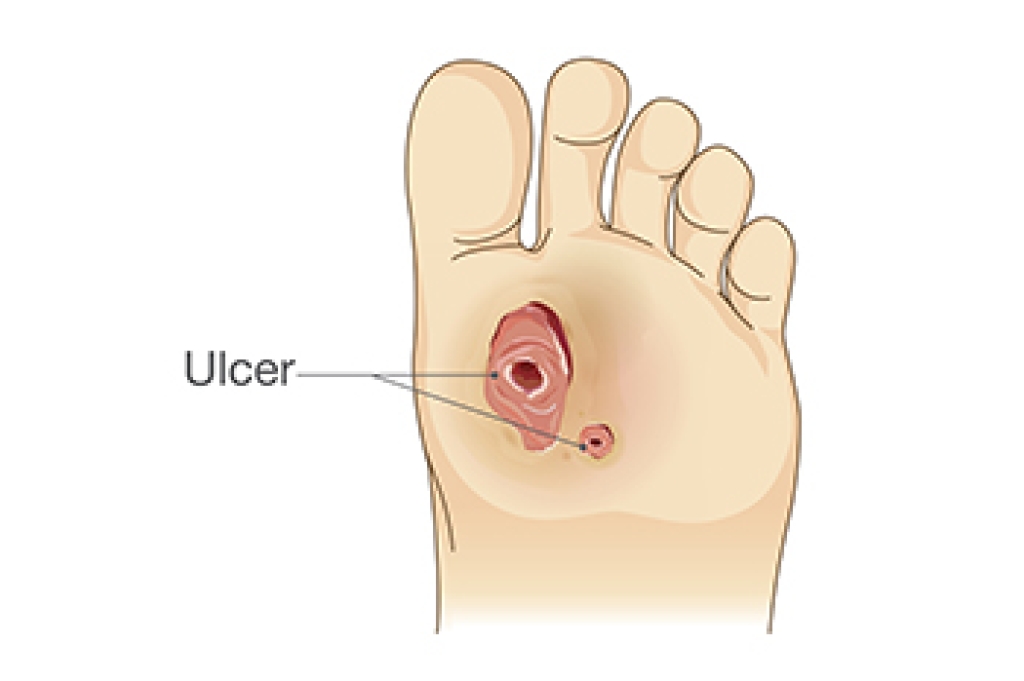
Foot Ulcers and Diabetes

A foot ulcer is an open sore that develops on the foot and does not heal normally. It can begin with a small cut, blister, or area of pressure. Without proper care, the wound may become deeper and infected. Foot ulcers are especially common in people with diabetes. Understanding how they develop can help you recognize warning signs early and protect your feet from serious complications.

Diabetes can increase the risk of foot ulcers because high blood sugar may damage nerves and blood vessels over time. Nerve damage can reduce feeling in the feet, making it harder to notice pain or an injury. Poor circulation can also limit the oxygen and nutrients needed for healing. Common symptoms include an open sore, redness, or unusual odor. Some people may have little or no pain because of nerve damage.

Foot ulcers can develop from pressure, friction, or minor injuries. Other risk factors include diabetes, reduced circulation, and a history of previous ulcers. A podiatrist can examine the wound and surrounding skin to determine its severity. Treatment may include cleaning the ulcer, removing unhealthy tissue, and reducing pressure on the affected area. Infection may require medication. Circulation and nerve function may also be checked.

Early treatment can help prevent an ulcer from becoming more serious. Check your feet regularly for changes and avoid walking barefoot when possible. Wear properly fitted shoes that reduce pressure and protect the skin. Diabetes is a serious condition and may cause foot pain or wounds. If you notice a wound that is not healing, it is strongly suggested that you are under the care of a podiatrist who can offer effective relief and treatment solutions. 

Wound care is an important part in dealing with diabetes. If you have diabetes and a foot wound or would like more information about wound care for diabetics, consult with one of our doctors from Apache Foot & Ankle Specialists. Our doctor will assess your condition and provide you with quality foot and ankle treatment.

What Is Wound Care?

Wound care is the practice of taking proper care of a wound. This can range from the smallest to the largest of wounds. While everyone can benefit from proper wound care, it is much more important for diabetics. Diabetics often suffer from poor blood circulation which causes wounds to heal much slower than they would in a non-diabetic. 

What Is the Importance of Wound Care?

While it may not seem apparent with small ulcers on the foot, for diabetics, any size ulcer can become infected. Diabetics often also suffer from neuropathy, or nerve loss. This means they might not even feel when they have an ulcer on their foot. If the wound becomes severely infected, amputation may be necessary. Therefore, it is of the upmost importance to properly care for any and all foot wounds.

How to Care for Wounds

The best way to care for foot wounds is to prevent them. For diabetics, this means daily inspections of the feet for any signs of abnormalities or ulcers. It is also recommended to see a podiatrist several times a year for a foot inspection. If you do have an ulcer, run the wound under water to clear dirt from the wound; then apply antibiotic ointment to the wound and cover with a bandage. Bandages should be changed daily and keeping pressure off the wound is smart. It is advised to see a podiatrist, who can keep an eye on it.

If you have any questions please contact our office located in Las Vegas, NV . We offer the newest diagnostic and treatment technologies for all your foot and ankle needs.

Read more about Wound Care

Connect With Us

scroll to top