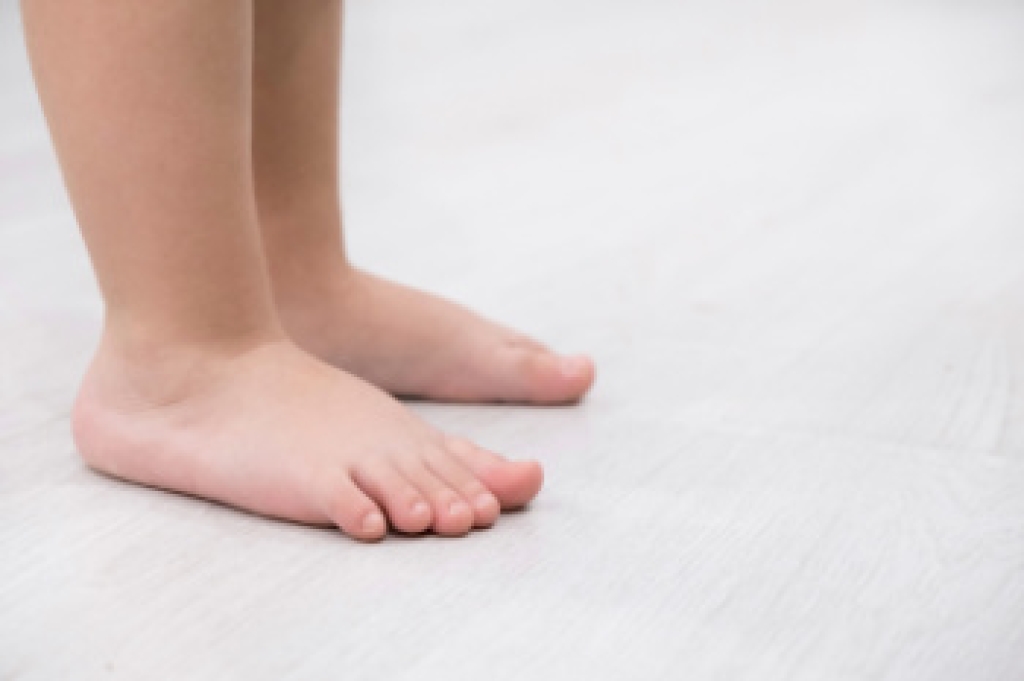
Flat Feet in Children and What Parents Should Know

Flat feet in children, often referred to as pediatric flatfoot, is a condition in which the arch of the foot does not fully develop. This causes the entire sole to come into contact with the ground. This is common in infants and younger children, as the arch typically forms gradually as muscles strengthen and bones mature. In many cases, flat feet resolve naturally with growth. However, when the condition persists or begins to cause symptoms, it may affect posture, balance, and overall movement patterns. A clear understanding of flat feet can help parents determine when observation is appropriate and when professional evaluation is needed. The symptoms of flat feet in children can range from mild to more noticeable concerns. Some children remain symptom free, while others may report aching in the feet, heel discomfort, or fatigue after activity. Parents may observe that the ankles roll inward, a pattern known as overpronation, or that shoes wear unevenly over time. Children may also avoid physical activities that involve running or prolonged standing due to discomfort. These signs can indicate that the structure of the foot is influencing stability and alignment.

There are several causes and risk factors associated with pediatric flatfoot. Genetics is one of the most common influences, as children may inherit flexible foot structures or low arches from family members. Additional contributors include ligament laxity, muscle weakness, or differences in bone development. Excess body weight can increase stress on the feet and contribute to arch flattening. In some cases, flat feet may be linked to underlying neurological or developmental conditions that affect coordination and muscle control.

While flat feet are often a normal part of early development, ongoing symptoms should not be overlooked. Early recognition and evaluation can support proper alignment and help prevent long-term strain on the feet and lower extremities. If your child is experiencing discomfort or difficulty with movement, it is suggested you consult a podiatrist for an accurate diagnosis and guidance on appropriate care and management.

Flatfoot is a condition many people suffer from. If you have flat feet, contact one of our doctors from Apache Foot & Ankle Specialists. Our doctor will treat your foot and ankle needs.

What Are Flat Feet?

Flatfoot is a condition in which the arch of the foot is depressed and the sole of the foot is almost completely in contact with the ground. About 20-30% of the population generally has flat feet because their arches never formed during growth.

Conditions & Problems:

Having flat feet makes it difficult to run or walk because of the stress placed on the ankles.

Alignment – The general alignment of your legs can be disrupted, because the ankles move inward which can cause major discomfort.

Knees – If you have complications with your knees, flat feet can be a contributor to arthritis in that area.  

Symptoms

  • Pain around the heel or arch area
  • Trouble standing on the tip toe
  • Swelling around the inside of the ankle
  • Flat look to one or both feet
  • Having your shoes feel uneven when worn

Treatment

If you are experiencing pain and stress on the foot you may weaken the posterior tibial tendon, which runs around the inside of the ankle. 

If you have any questions, please feel free to contact our office located in Las Vegas, NV . We offer the newest diagnostic and treatment technologies for all your foot care needs.
Read more about Flat Feet

Sudden Pain From Gout

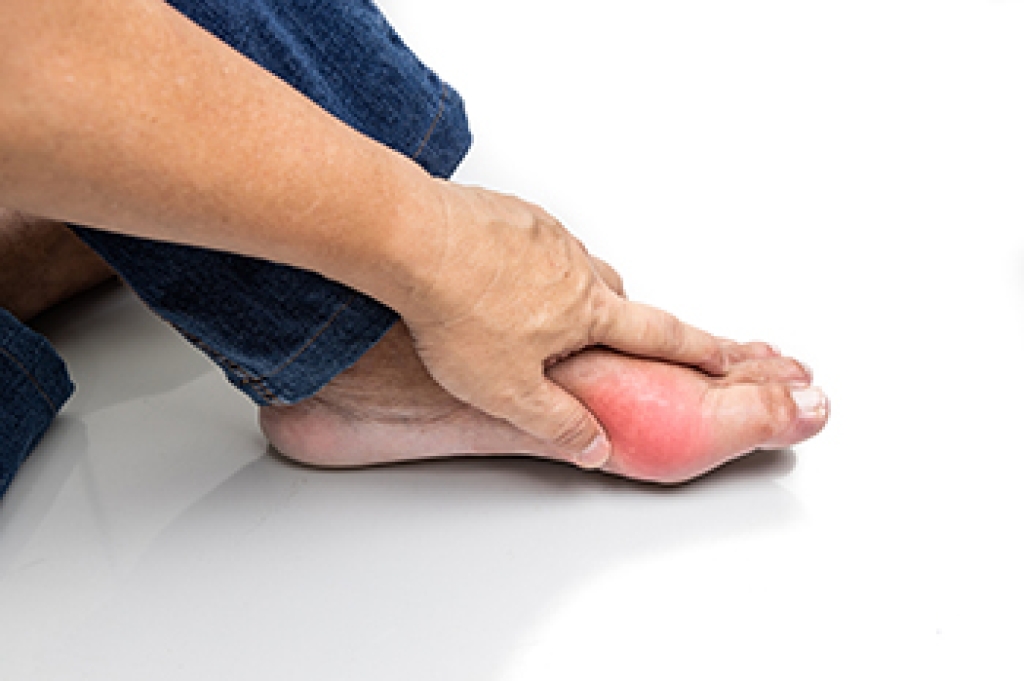
Gout is a form of arthritis that develops when uric acid builds up in the blood and forms sharp crystals in the joints. It often appears suddenly, with intense pain, redness, swelling, and warmth, most commonly in the big toe. The pain can be severe enough to wake someone from sleep and make even light pressure feel unbearable. Causes include high uric acid levels linked to diet, certain medications, and underlying health conditions. Risk factors include age, obesity, dehydration, and a family history of the condition. Episodes may come and go, but without proper care, they can become more frequent and damaging. A podiatrist can diagnose gout, manage flare ups, and help prevent joint damage. Gout can be extremely painful and may cause difficulty in completing daily activities. If you have had one or more gout attacks, it is strongly suggested that you consult a podiatrist who can help you to manage this painful condition. 

Gout is a painful condition that can be treated. If you are seeking treatment, contact one of our doctors from Apache Foot & Ankle Specialists. Our doctor will treat your foot and ankle needs.

What Is Gout?

Gout is a form of arthritis that is characterized by sudden, severe attacks of pain, redness, and tenderness in the joints. The condition usually affects the joint at the base of the big toe. A gout attack can occur at any random time, such as the middle of the night while you are asleep.

Symptoms

  • Intense Joint Pain - Usually around the large joint of your big toe, and it most severe within the first four to twelve hours
  • Lingering Discomfort - Joint discomfort may last from a few days to a few weeks
  • Inflammation and Redness -Affected joints may become swollen, tender, warm and red
  • Limited Range of Motion - May experience a decrease in joint mobility

Risk Factors

  • Genetics - If family members have gout, you’re more likely to have it
  • Medications - Diuretic medications can raise uric acid levels
  • Gender/Age - Gout is more common in men until the age of 60. It is believed that estrogen protects women until that point
  • Diet - Eating red meat and shellfish increases your risk
  • Alcohol - Having more than two alcoholic drinks per day increases your risk
  • Obesity - Obese people are at a higher risk for gout

Prior to visiting your podiatrist to receive treatment for gout, there are a few things you should do beforehand. If you have gout you should write down your symptoms--including when they started and how often you experience them, important medical information you may have, and any questions you may have. Writing down these three things will help your podiatrist in assessing your specific situation so that he or she may provide the best route of treatment for you.

If you have any questions, please feel free to contact our office located in Las Vegas, NV . We offer the newest diagnostic and treatment technologies for all your foot care needs.

Read more about Gout

Recognizing Athlete’s Foot Early

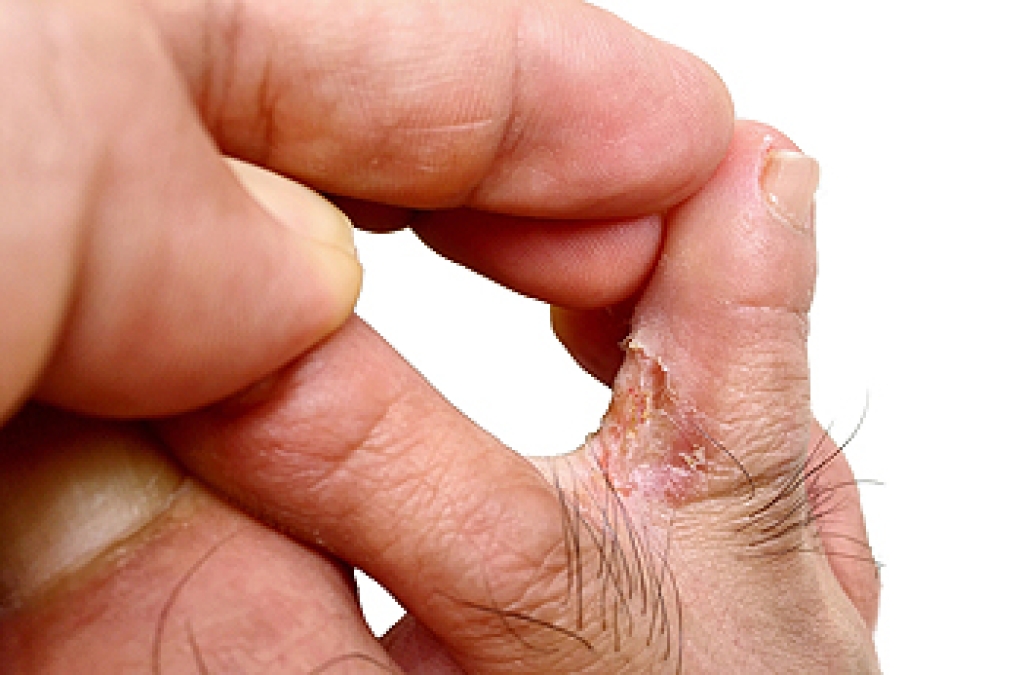
Athlete’s foot is a fungal infection that affects the skin on the feet, most often between the toes. It usually begins with itching, redness, and a burning feeling that can worsen after wearing shoes for long periods of time. The skin may appear dry, cracked, or flaky, and in some cases small blisters can form. This condition develops when fungus grows in warm, damp environments, such as sweaty socks or shared surfaces like locker rooms. Simple habits like using clean towels and changing socks often can help reduce risk, but infections can still occur. Without proper care, symptoms may spread or lead to secondary skin problems. A podiatrist can identify the infection, determine its severity, and provide targeted treatments that clear the fungus and protect the skin. If you have symptoms of athlete’s foot, it is suggested that you consult a podiatrist who can effectively treat this condition, which may include prescribed medication.

Athlete’s Foot

Athlete’s foot is often an uncomfortable condition to experience. Thankfully, podiatrists specialize in treating athlete’s foot and offer the best treatment options. If you have any questions about athlete’s foot, consult with one of our doctors from Apache Foot & Ankle Specialists. Our doctor will assess your condition and provide you with quality treatment.

What Is Athlete’s Foot?

Tinea pedis, more commonly known as athlete’s foot, is a non-serious and common fungal infection of the foot. Athlete’s foot is contagious and can be contracted by touching someone who has it or infected surfaces. The most common places contaminated by it are public showers, locker rooms, and swimming pools. Once contracted, it grows on feet that are left inside moist, dark, and warm shoes and socks.

Prevention

The most effective ways to prevent athlete’s foot include:

  • Thoroughly washing and drying feet
  • Avoid going barefoot in locker rooms and public showers
  • Using shower shoes in public showers
  • Wearing socks that allow the feet to breathe
  • Changing socks and shoes frequently if you sweat a lot

Symptoms

Athlete’s foot initially occurs as a rash between the toes. However, if left undiagnosed, it can spread to the sides and bottom of the feet, toenails, and if touched by hand, the hands themselves. Symptoms include:

  • Redness
  • Burning
  • Itching
  • Scaly and peeling skin

Diagnosis and Treatment

Diagnosis is quick and easy. Skin samples will be taken and either viewed under a microscope or sent to a lab for testing. Sometimes, a podiatrist can diagnose it based on simply looking at it. Once confirmed, treatment options include oral and topical antifungal medications.

If you have any questions, please feel free to contact our office located in Las Vegas, NV . We offer the newest diagnostic and treatment technologies for all your foot care needs.

Read more about Athlete's Foot

Exercises for Flat Feet and When to Seek Care

Flat feet is a condition where the arches of the feet are low or absent, causing the entire sole to touch the ground while standing. It may develop from genetics, ligament laxity, injury, or gradual strain over time. People with flat feet may notice foot fatigue, aching along the arch, or pain in the heel and ankle after activity. Simple exercises can help support the foot. These include heel stretches that can improve flexibility in the calf and reduce strain on the arch. Tennis ball rolls gently massage the bottom of the foot and promote circulation. Arch lifts strengthen the small muscles that support the foot structure. While these exercises may provide temporary relief, a podiatrist can evaluate alignment, recommend custom orthotics, and address underlying causes. If you have flat feet and your feet hurt or are consistently tired, it is suggested that you consult a podiatrist for additional relief and management tips.

Exercising your feet regularly with the proper foot wear is a great way to prevent injuries and build strength. If you have any concerns about your feet, contact one of our doctors from Apache Foot & Ankle Specialists. Our doctor can provide the care you need to keep you pain-free and on your feet.

Exercise for Your Feet

Exercise for your feet can help you gain strength, mobility and flexibility in your feet. They say that strengthening your feet can be just as rewarding as strengthening another part of the body. Your feet are very important, and we often forget about them in our daily tasks. But it is because of our feet that are we able to get going and do what we need to. For those of us fortunate enough to not have any foot problems, it is an important gesture to take care of them to ensure good health in the long run.

Some foot health exercises can include ankle pumps, tip-toeing, toe rises, lifting off the floor doing reps and sets, and flexing the toes. It is best to speak with Our doctor to determine an appropriate regimen for your needs. Everyone’s needs and bodies are different, and the activities required to maintain strength in the feet vary from individual to individual. 

Once you get into a routine of doing regular exercise, you may notice a difference in your feet and how strong they may become.

If you have any questions, please feel free to contact our office located in Las Vegas, NV . We offer the newest diagnostic and treatment technologies for all your foot care needs.

Read more about Exercise for Your Feet

Connect With Us

scroll to top