Slowing the Progression of Bunions

A bunion is a bony bump that forms at the base of the big toe as the joint gradually shifts out of alignment. While bunions may worsen over time, certain steps can help reduce stress on the joint and slow progression. Wearing shoes with a wide toe box can help limit pressure that pushes the toes inward. Wearing supportive footwear and custom orthotics may improve foot mechanics and reduce strain during walking. Maintaining a healthy activity routine while avoiding repetitive pressure that increases pain may also help. In some cases, strengthening and stretching exercises may improve joint function and comfort. A podiatrist can evaluate the severity of the bunion, assess walking patterns, and recommend strategies based on your foot structure and symptoms. Early management may help delay worsening and reduce discomfort during daily activity. If you notice a bunion becoming more painful or more noticeable, it is suggested that you visit a podiatrist who can help you to manage this condition.

If you are suffering from bunion pain, contact one of our doctors of Apache Foot & Ankle Specialists. Our doctor can provide the care you need to keep you pain-free and on your feet.

What Is a Bunion?

Bunions are painful bony bumps that usually develop on the inside of the foot at the joint of the big toe. As the deformity increases over time, it may become painful to walk and wear shoes. Women are more likely to exacerbate existing bunions since they often wear tight, narrow shoes that shift their toes together. Bunion pain can be relieved by wearing wider shoes with enough room for the toes.

Causes

  • Genetics – some people inherit feet that are more prone to bunion development
  • Inflammatory Conditions - rheumatoid arthritis and polio may cause bunion development

Symptoms

  • Redness and inflammation
  • Pain and tenderness
  • Callus or corns on the bump
  • Restricted motion in the big toe

In order to diagnose your bunion, your podiatrist may ask about your medical history, symptoms, and general health. Your doctor might also order an x-ray to take a closer look at your feet. Nonsurgical treatment options include orthotics, padding, icing, changes in footwear, and medication. If nonsurgical treatments don’t alleviate your bunion pain, surgery may be necessary.

If you have any questions, please feel free to contact our office located in Las Vegas, NV . We offer the newest diagnostic and treatment technologies for all your foot care needs.

Read more about Bunions

Causes, Symptoms, and Types of Ankle Sprains

Ankle sprains are one of the most common injuries affecting the foot and ankle. They often occur when the foot suddenly rolls inward on uneven ground or during sports that involve jumping or quick direction changes. This motion can stretch or tear the ligaments, which are strong bands of tissue that hold the ankle bones together and keep the joint stable. People with high arches, loose joints, or a history of past sprains may have a higher risk of ankle sprains. Symptoms typically include pain, swelling, bruising, and difficulty walking or placing weight on the foot. Ankle sprains are usually classified as mild, moderate, or severe, depending on how much the ligaments are damaged. A podiatrist can evaluate the injury, determine its severity, order imaging tests to confirm the diagnosis, and develop a treatment plan to restore strength and stability. If you have injured an ankle, it is suggested that you make an appointment with a podiatrist for an exam, diagnosis, and treatment.

Although ankle sprains are common, they aren’t always minor injuries. If you need your ankle injury looked at, contact one of our doctors from Apache Foot & Ankle Specialists. Our doctor can provide the care you need to keep you pain-free and on your feet.

How Does an Ankle Sprain Occur?

Ankle sprains are the result of a tear in the ligaments within the ankle. These injuries may happen when you make a rapid shifting movement while your foot is planted. A less common way to sprain your ankle is when your ankle rolls inward while your foot turns outward.

What Are the Symptoms?

  • Pain at the sight of the tear
  • Bruising/Swelling
  • Ankle area is tender to touch
  • In severe cases, may hear/feel something tear
  • Skin discoloration

Preventing a Sprain

  • Wearing appropriate shoes for the occasion
  • Stretching before exercises and sports
  • Knowing your limits

Treatment of a Sprain

In many cases, the RICE method (Rest, Ice, Compression, and Elevate) is used to treat ankle sprains. However, you should see a podiatrist to see which treatment option would work best with your injury. In severe cases, surgery may be required.

It is important to ask your doctor about rehab options after you receive treatment for your injury. Stretching, strength training, and balance exercises may help the ankle heal while also preventing further injury.

If you have any questions, please feel free to contact our office located in Las Vegas, NV . We offer the newest diagnostic and treatment technologies for all your foot care needs.

Read more about Ankle Sprains

Surgery for Ingrown Toenails

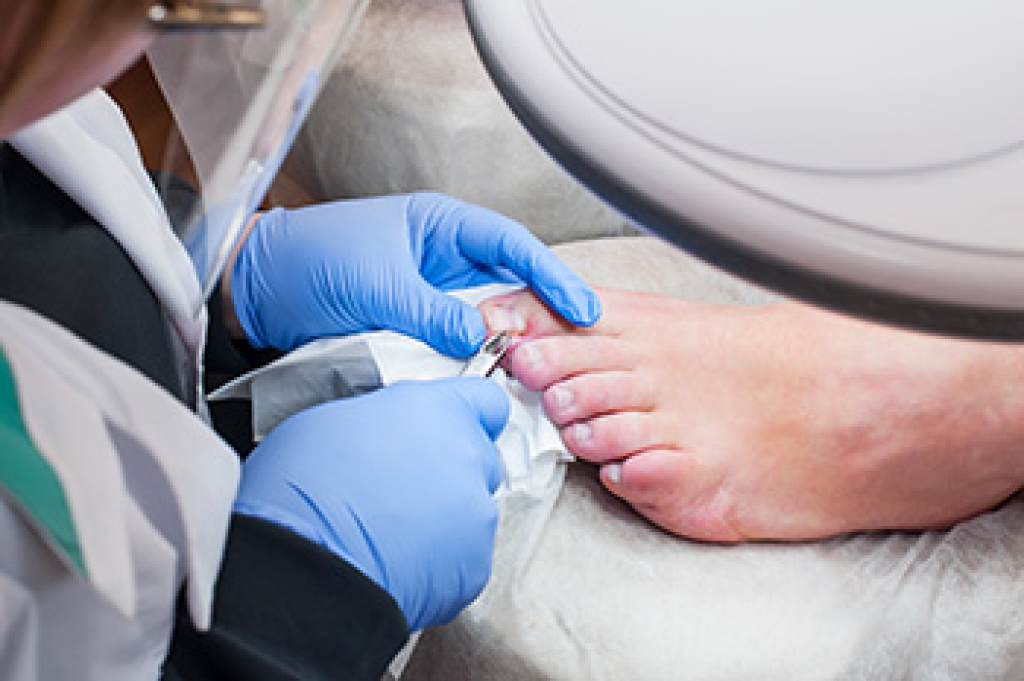
An ingrown toenail develops when the edge of a nail grows into the surrounding skin, often causing pain, redness, and swelling. Common causes include improper toenail trimming, wearing tight shoes, and repeated pressure on the toes. Risk factors include curved nails, injury, and poor foot-care habits. When conservative care is not effective, a minor surgical procedure may be recommended. This procedure involves gently removing part of the nail and treating the nail root to prevent it from growing inward again. Recovery time is usually short, with most people returning to normal activities within a few days while keeping the area clean and protected. A podiatrist can diagnose the condition, provide treatment, and help prevent recurrence. If you have symptoms of an ingrown toenail, it is suggested that you consult a podiatrist who can offer effective treatment solutions, which may include minor surgery.

Foot surgery is sometimes necessary to treat a foot ailment. To learn more, contact one of our doctors of Apache Foot & Ankle Specialists. Our doctor will assist you with all of your foot and ankle needs.

When Is Surgery Necessary?

Foot and ankle surgery is generally reserved for cases in which less invasive, conservative procedures have failed to alleviate the problem. Some of the cases in which surgery may be necessary include:

  • Removing foot deformities like bunions and bone spurs
  • Severe arthritis that has caused bone issues
  • Cosmetic reconstruction

What Types of Surgery Are There?

The type of surgery you receive will depend on the nature of the problem you have. Some of the possible surgeries include:

  • Bunionectomy for painful bunions
  • Surgical fusion for realignment of bones
  • Neuropathy decompression surgery to treat nerve damage

Benefits of Surgery

Although surgery is usually a last resort, it can provide more complete pain relief compared to non-surgical methods and may allow you to finally resume full activity.

Surgical techniques have also become increasingly sophisticated. Techniques like endoscopic surgery allow for smaller incisions and faster recovery times.

If you have any questions, please feel free to contact our office located in Las Vegas, NV . We offer the newest diagnostic and treatment technologies for all your foot care needs.

Read more about Foot Surgery

Relieving Foot and Ankle Arthritis with Simple Exercises

Foot and ankle arthritis occurs when the joints become worn or inflamed, leading to pain, stiffness, and reduced movement. Many people notice aching with walking, swelling, or difficulty pushing off the ground. Over time, this can limit daily activities and overall mobility. Targeted exercises can help improve strength and flexibility. Ankle plantar flexion, which involves pointing the foot downward, helps maintain joint motion and supports walking mechanics. This can be done using resistance bands or simple controlled movements. Strengthening the small muscles on the bottom of the foot is also important. Exercises like towel scrunches or picking up small objects with the toes help stabilize the arch and reduce strain on the joints. Consistency is key to managing symptoms and improving function. If pain continues or worsens, it is suggested that you schedule a visit with a podiatrist to get personalized care and protect your long-term foot and ankle health.

Arthritis can be a difficult condition to live with. If you are seeking treatment, contact one of our doctors from Apache Foot & Ankle Specialists. Our doctor can provide the care you need to keep you pain-free and on your feet.

Arthritic Foot Care  

Arthritis is a term that is commonly used to describe joint pain.  The condition itself can occur to anyone of any age, race, or gender, and there are over 100 types of it.  Nevertheless, arthritis is more commonly found in women compared to men, and it is also more prevalent in those who are overweight. The causes of arthritis vary depending on which type of arthritis you have. Osteoarthritis for example, is often caused by injury, while rheumatoid arthritis is caused by a misdirected immune system.

Symptoms

  • Swelling
  • Pain
  • Stiffness
  • Decreased Range of Motion

Arthritic symptoms range in severity, and they may come and go. Some symptoms stay the same for several years but could potentially get worse with time. Severe cases of arthritis can prevent its sufferers from performing daily activities and make walking difficult.

Risk Factors

  • Occupation – Occupations requiring repetitive knee movements have been linked to osteoarthritis
  • Obesity – Excess weight can contribute to osteoarthritis development
  • Infection – Microbial agents can infect the joints and trigger arthritis
  • Joint Injuries – Damage to joints may lead to osteoarthritis
  • Age – Risk increases with age
  • Gender –Most types are more common in women
  • Genetics – Arthritis can be hereditary

If you suspect your arthritis is affecting your feet, it is crucial that you see a podiatrist immediately. Your doctor will be able to address your specific case and help you decide which treatment method is best for you.

If you have any questions please feel free to contact our office located in Las Vegas, NV . We offer the newest diagnostic tools and technology to treat your foot and ankle needs.

Read more about How to Care for Your Arthritic Foot

Connect With Us

scroll to top