
Gout is a painful, inflammatory form of arthritis. Those affected will typically feel an intense stiffness in the joints of their feet, particularly in the big toe. Schedule a visit to learn about how gout can be managed and treated.
Gout is a painful, inflammatory form of arthritis. Those affected will typically feel an intense stiffness in the joints of their feet, particularly in the big toe. Schedule a visit to learn about how gout can be managed and treated.
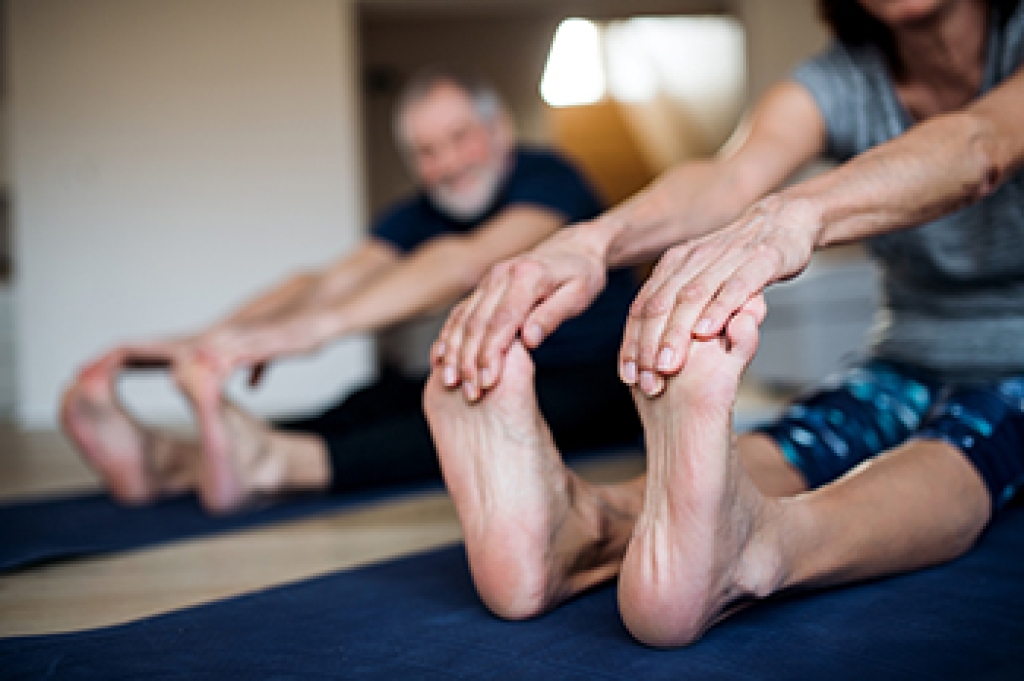
The feet and ankles support body weight and help with balance, so weakness or stiffness in these areas can lead to pain and poor movement patterns. Certain exercises can play an important role in keeping the feet strong, stable, and flexible. Strengthening exercises improve muscle control and help support the arch. Stretching exercises improve flexibility and reduce tightness in the joints and soft tissue. Regular movement can also improve how forces move through the foot while walking or running. This helps to lower the risk of injury. A podiatrist can assess foot structure, identify areas of weakness or limited motion, and design a targeted exercise plan based on your specific needs. This plan may include exercises to build strength, improve range of motion, and support proper alignment. If you experience foot or ankle pain, it is suggested that you make an appointment with a podiatrist for treatment, which may include targeted exercises.
Exercising your feet regularly with the proper foot wear is a great way to prevent injuries and build strength. If you have any concerns about your feet, contact one of our doctors from Apache Foot & Ankle Specialists. Our doctor can provide the care you need to keep you pain-free and on your feet.
Exercise for Your Feet
Exercise for your feet can help you gain strength, mobility and flexibility in your feet. They say that strengthening your feet can be just as rewarding as strengthening another part of the body. Your feet are very important, and we often forget about them in our daily tasks. But it is because of our feet that are we able to get going and do what we need to. For those of us fortunate enough to not have any foot problems, it is an important gesture to take care of them to ensure good health in the long run.
Some foot health exercises can include ankle pumps, tip-toeing, toe rises, lifting off the floor doing reps and sets, and flexing the toes. It is best to speak with Our doctor to determine an appropriate regimen for your needs. Everyone’s needs and bodies are different, and the activities required to maintain strength in the feet vary from individual to individual.
Once you get into a routine of doing regular exercise, you may notice a difference in your feet and how strong they may become.
If you have any questions, please feel free to contact our office located in Las Vegas, NV . We offer the newest diagnostic and treatment technologies for all your foot care needs.
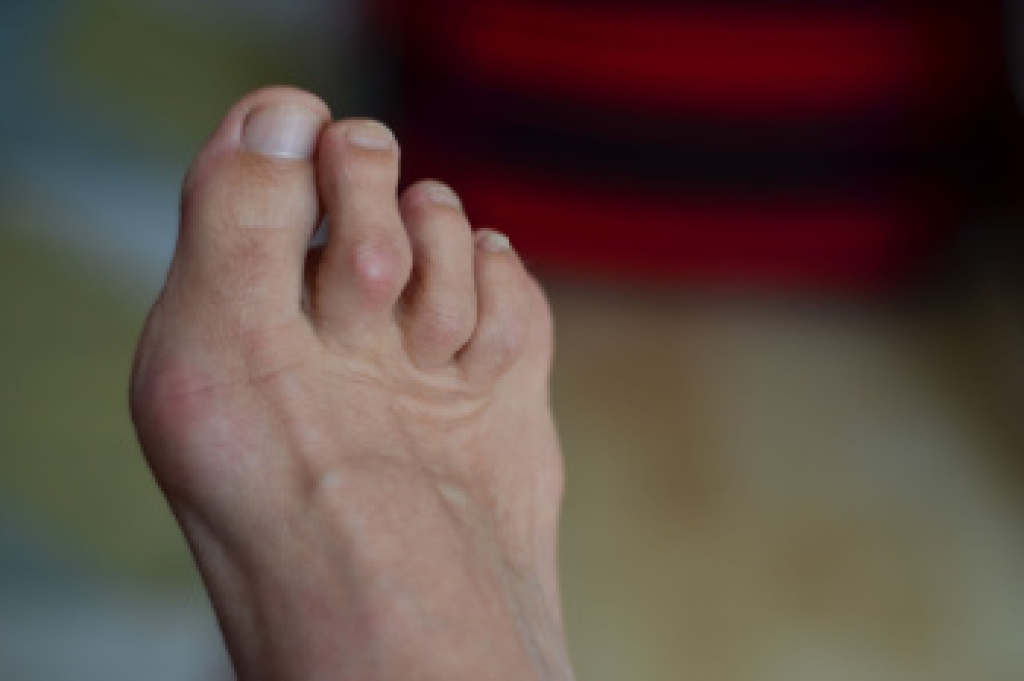
Some foot problems seem to run in families, even when people live different lifestyles. One example is a shift in the big toe toward the others, often leading to a noticeable bump at the joint, or a bunion. Changes in the smaller toes, such as curling or bending, can also appear across generations. This pattern suggests that inherited traits may influence how bones, joints, and soft tissues develop and respond to pressure over time. Studies have observed these patterns in certain populations, especially among individuals with shared ancestry, pointing to a strong link between family background and these common changes in foot structure. While shoes and activity still matter, they may not tell the whole story. Understanding these patterns may lead to better ways to identify risk early and guide care. If you notice similar foot concerns in your family, it is suggested that you see a podiatrist for an evaluation and support.
Hammertoe
Hammertoes can be a painful condition to live with. For more information, contact one of our doctors from Apache Foot & Ankle Specialists. Our doctor will answer any of your foot- and ankle-related questions.
Hammertoe is a foot deformity that affects the joints of the second, third, fourth, or fifth toes of your feet. It is a painful foot condition in which these toes curl and arch up, which can often lead to pain when wearing footwear.
Symptoms
Causes
Genetics – People who are genetically predisposed to hammertoe are often more susceptible
Arthritis – Because arthritis affects the joints in your toes, further deformities stemming from arthritis can occur
Trauma – Direct trauma to the toes could potentially lead to hammertoe
Ill-fitting shoes – Undue pressure on the front of the toes from ill-fitting shoes can potentially lead to the development of hammertoe
Treatment
Orthotics – Custom made inserts can be used to help relieve pressure placed on the toes and therefore relieve some of the pain associated with it
Medications – Oral medications such as anti-inflammatories or NSAIDs could be used to treat the pain and inflammation hammertoes causes. Injections of corticosteroids are also sometimes used
Surgery – In more severe cases where the hammertoes have become more rigid, foot surgery is a potential option
If you have any questions, please feel free to contact our office located in Las Vegas, NV . We offer the newest diagnostic and treatment technologies for all your foot care needs.
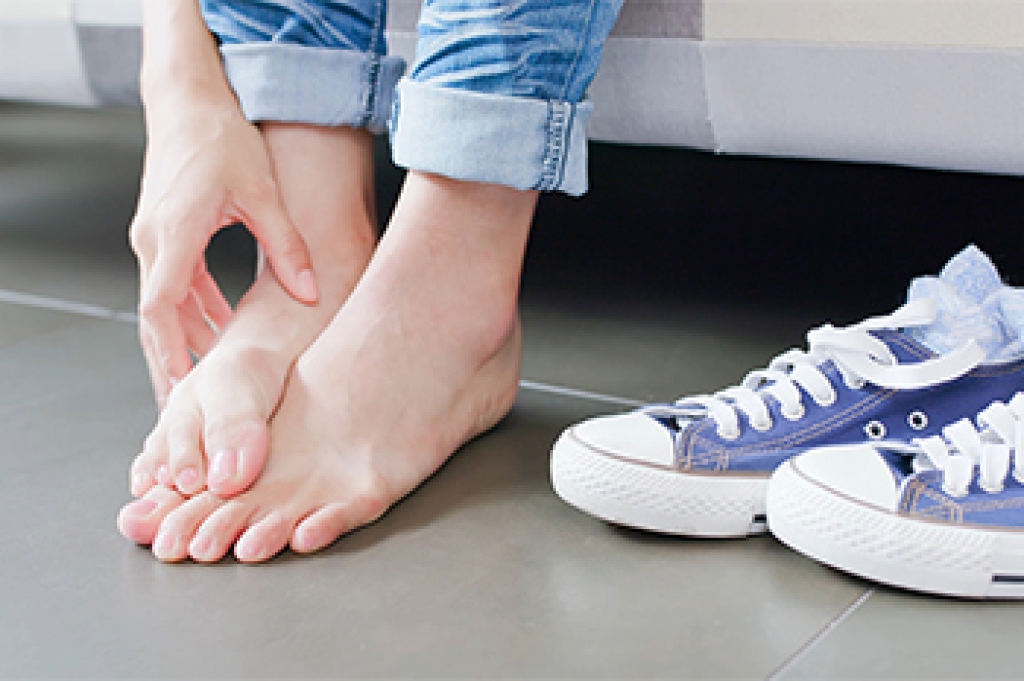
Athlete’s foot is a fungal infection that affects the skin of the feet, often starting between the toes. The skin may appear red, flaky, or cracked, and itching or burning sensations can become persistent. In some cases, the area may feel moist or develop small blisters, especially after wearing tight or non-breathable shoes. This condition thrives in warm, damp environments, such as locker rooms, sweaty footwear, or shared surfaces. It can spread easily and may worsen without proper care. A podiatrist can diagnose athlete’s foot through a clinical exam and recommend treatment based on severity. Care may include antifungal medications, improved foot hygiene, and guidance on keeping the feet dry and protected. Early treatment helps prevent the infection from spreading to the nails or other areas. If you have symptoms of athlete’s foot, it is suggested that you make an appointment with a podiatrist.
Athlete’s foot is an inconvenient condition that can be easily reduced with the proper treatment. If you have any concerns about your feet and ankles, contact one of our doctors from Apache Foot & Ankle Specialists. Our doctor will treat your foot and ankle needs.
Athlete’s Foot: The Sole Story
Athlete's foot, also known as tinea pedis, can be an extremely contagious foot infection. It is commonly contracted in public changing areas and bathrooms, dormitory style living quarters, around locker rooms and public swimming pools, or anywhere your feet often come into contact with other people.
Solutions to Combat Athlete’s Foot
Athlete’s foot can cause many irritating symptoms such as dry and flaking skin, itching, and redness. Some more severe symptoms can include bleeding and cracked skin, intense itching and burning, and even pain when walking. In the worst cases, Athlete’s foot can cause blistering as well. Speak to your podiatrist for a better understanding of the different causes of Athlete’s foot, as well as help in determining which treatment options are best for you.
If you have any questions please feel free to contact our office located in Las Vegas, NV . We offer the newest diagnostic and treatment technologies for all your foot and ankle needs.
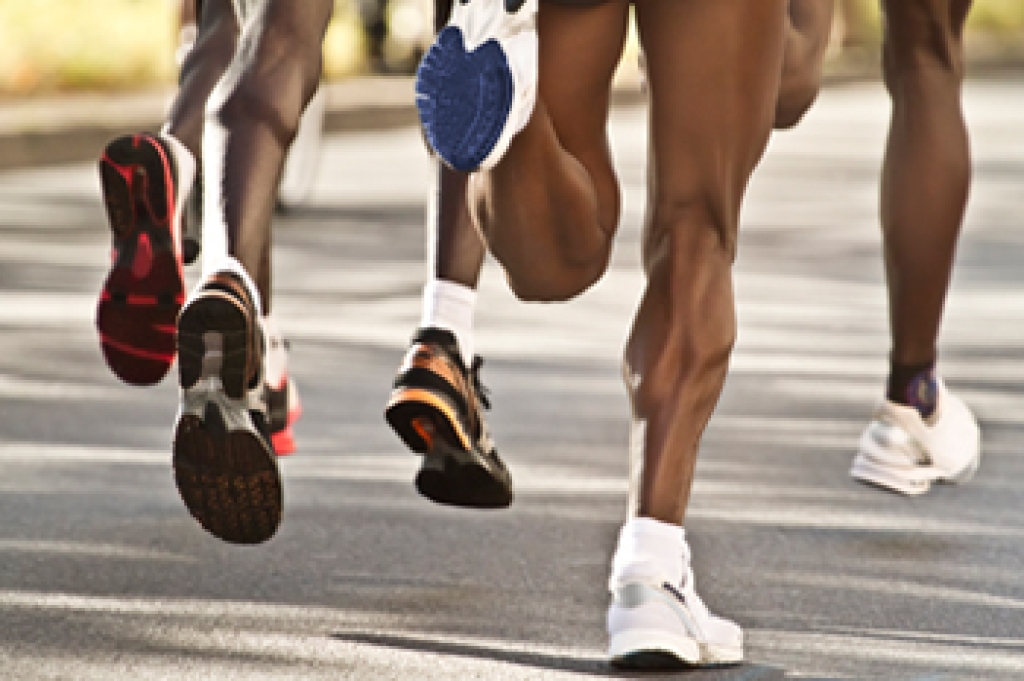
Selecting the right running shoes for a marathon is essential for peak performance and injury prevention. Comfort and proper fit are the most important qualities, ensuring that the foot is supported without pressure or slipping. Adequate cushioning helps absorb impact and reduces stress on the joints during long-distance running. Lightweight shoes can improve efficiency and reduce fatigue over time. It is also important to choose shoes that are suitable for the terrain, with proper tread for grip and stability on roads or trails. A podiatrist can assess your foot type, gait, and biomechanics to recommend the best footwear and prevent common running injuries. Wearing the right shoes is important for foot health, and may help to prevent foot pain. If you have sustained a foot or ankle injury while running, it is suggested that you consult a podiatrist who can diagnose and treat various foot conditions and guide you on the proper shoes to wear for your running style.
If you are a runner, wearing the right running shoe is essential. For more information, contact one of our doctors from Apache Foot & Ankle Specialists. Our doctor can provide the care you need to keep you pain-free and on your feet.
Choosing the Right Running Shoe for Your Foot Type
To increase performance and avoid the risk of injury, it is important to choose the right running shoe based on your foot type. The general design of running shoes revolves around pronation, which is how the ankle rolls from outside to inside when the foot strikes the ground.
If you have any questions, please feel free to contact our office located in Las Vegas, NV . We offer the newest diagnostic and treatment technologies for all your foot care needs.
Connect With Us
