Nail Fungus Can Be More Than Just Discoloration

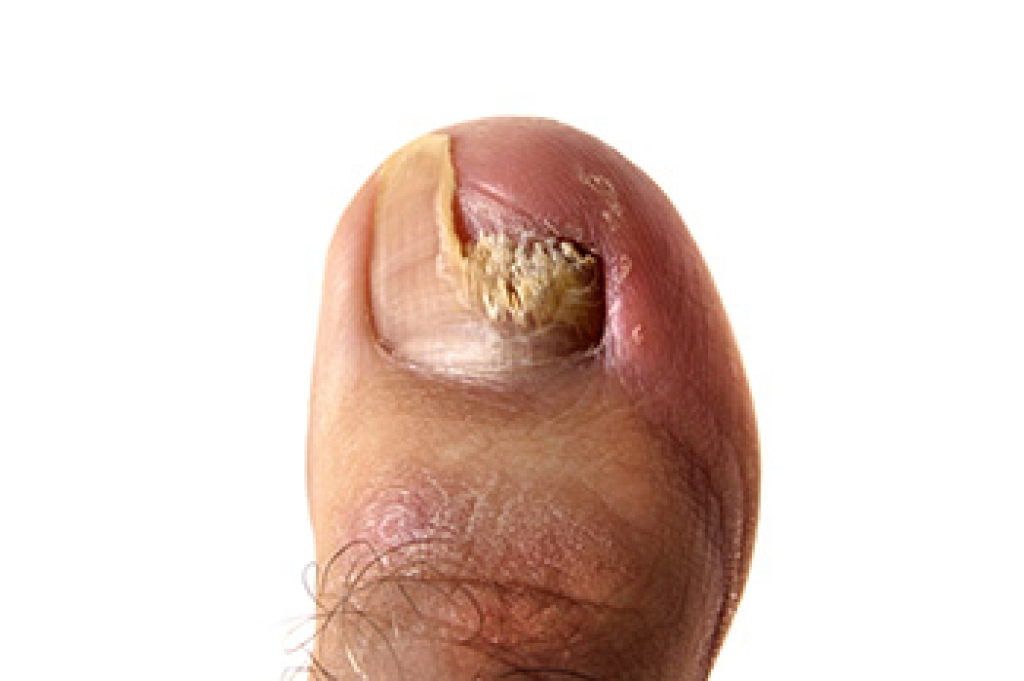
Nail fungus, also known as onychomycosis, is not always caused by the same organism. The three main types of fungi that infect nails are dermatophytes, yeasts, and molds. Dermatophytes are the most common and feed on keratin, the protein that forms the nail. These infections often cause yellow or white discoloration, thickening, and a brittle texture. Yeast infections may lead to redness, swelling around the cuticle, and lifting of the nail plate. Molds are less common but can create dark brown, black, or green discoloration with irregular nail changes. The nail may appear distorted, crumbly, or separated from the nail bed. A podiatrist can evaluate the nail, take a small sample for testing, and determine the exact cause. Treatment may include topical medication, oral antifungal therapy, or careful trimming of damaged nails. If you have nail fungus, it is suggested that you make an appointment with a podiatrist for a proper diagnosis and treatment.

For more information about treatment, contact one of our doctors of Apache Foot & Ankle Specialists. Our doctor can provide the care you need to keep you pain-free and on your feet.

Toenail Fungus Treatment

Toenail fungus is a condition that affects many people and can be especially hard to get rid of. Fortunately, there are several methods to go about treating and avoiding it.

Antifungals & Deterrence

Oral antifungal medicine has been shown to be effective in many cases. It is important to consult with a podiatrist to determine the proper regiment for you, or potentially explore other options.

Applying foot powder on the feet and shoes helps keep the feet free of moisture and sweat.

Sandals or open toed shoes – Wearing these will allow air movement and help keep feet dry. They also expose your feet to light, which fungus cannot tolerate. Socks with moisture wicking material also help as well.

If you have any questions please contact our office located in Las Vegas, NV . We offer the newest diagnostic and treatment technologies for all your foot and ankle needs.

Read more about How to Treat Your Toenail Fungus

Lingering Foot Concerns After Early Clubfoot Surgery

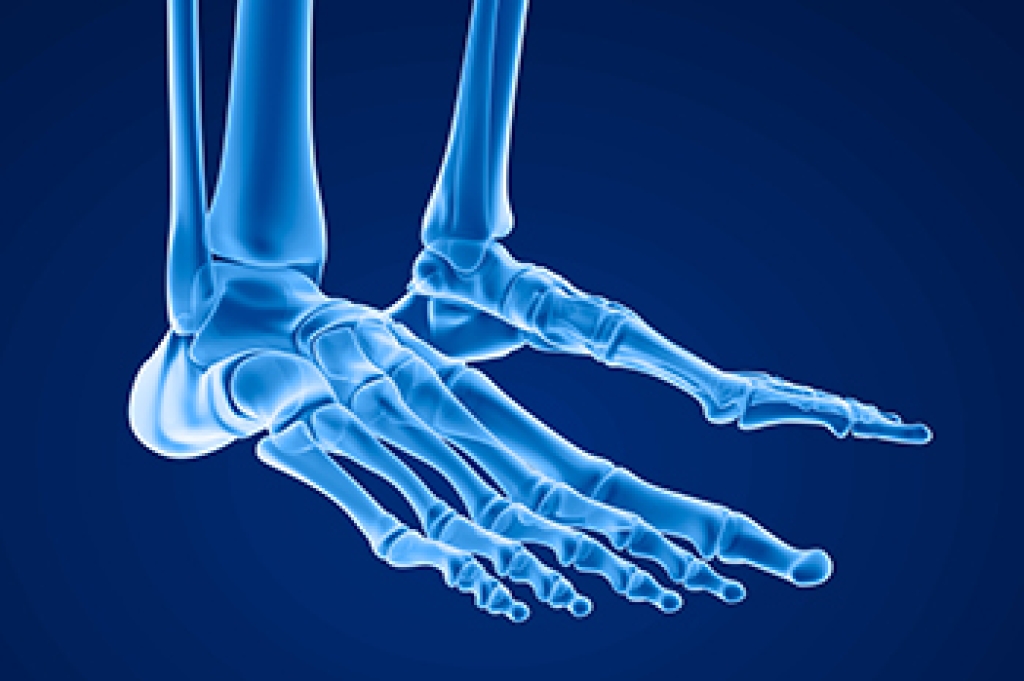
Clubfoot is a congenital condition in which a baby is born with one or both feet turned inward and downward due to abnormal development of the bones, muscles, and soft tissues of the lower leg and foot. Some adolescents and young adults who were treated for clubfoot in childhood continue to notice foot and ankle challenges later in life. Early surgical approaches often focused on releasing tight soft tissues to improve alignment, which helped restore function at the time. As the body grows, however, those altered tissues may lack flexibility or strength. This can lead to stiffness, fatigue with activity, limited ankle motion, or discomfort during prolonged walking or sports. Changes in foot mechanics may also contribute to uneven shoe wear or callus formation. These symptoms are not uncommon and do not mean treatment failed, but they do deserve attention. Modern care focuses on restoring comfort, mobility, and balance through individualized evaluation. If ongoing foot or ankle symptoms interfere with daily life, it is suggested that a podiatrist evaluate the condition and discuss appropriate care options.

Congenital foot problems require immediate attention to avoid future complications. If you have any concerns, contact one of our doctors of Apache Foot & Ankle Specialists. Our doctor can provide the care you need to keep you pain-free and on your feet.

Congenital foot problems are deformities affecting the feet, toes, and/or ankles that children are born with. Some of these conditions have a genetic cause while others just happen. Some specific foot ailments that children may be born with include clubfeet, polydactyly/macrodactyly, and cleft foot. There are several other foot anomalies that can occur congenitally. What all of these conditions have in common is that a child may experience difficulty walking or performing everyday activities, as well as trouble finding footwear that fits their foot deformity. Some of these conditions are more serious than others. Consulting with a podiatrist as early as possible will help in properly diagnosing a child’s foot condition while getting the necessary treatment underway.

What are Causes of Congenital Foot Problem?

A congenital foot problem is one that happens to a child at birth. These conditions can be caused by a genetic predisposition, developmental or positional abnormalities during gestation, or with no known cause.

What are Symptoms of Congenital Foot Problems?

Symptoms vary by the congenital condition. Symptoms may consist of the following:

  • Clubfoot, where tendons are shortened, bones are shaped differently, and the Achilles tendon is tight, causing the foot to point in and down. It is also possible for the soles of the feet to face each other.
  • Polydactyly, which usually consists of a nubbin or small lump of tissue without a bone, a toe that is partially formed but has no joints, or an extra toe.
  • Vertical talus, where the talus bone forms in the wrong position causing other bones in the foot to line up improperly, the front of the foot to point up, and the bottom of the foot to stiffen, with no arch, and to curve out.
  • Tarsal coalition, when there is an abnormal connection of two or more bones in the foot leading to severe, rigid flatfoot.
  • Cleft foot, where there are missing toes, a V-shaped cleft, and other anatomical differences.
  • Macrodactyly, when the toes are abnormally large due to overgrowth of the underlying bone or soft tissue.

Treatment and Prevention

While there is nothing one can do to prevent congenital foot problems, raising awareness and receiving neonatal screenings are important. Early detection by taking your child to a podiatrist leads to the best outcome possible.

If you have any questions, please feel free to contact our office located in Las Vegas, NV . We offer the newest diagnostic and treatment technologies for all your foot care needs.

Read more about Congenital Foot Problems

Connect With Us

scroll to top