
Excess Body Weight Can Affect Foot and Ankle Health

Excess body weight can place pressure on the feet and ankles with each step. Obesity is defined as having a body mass index, or BMI, of 30 or higher. This number is based on height and weight. Research links higher BMI levels with more foot problems. Extra weight can strain joints. This increases the risk of heel pain, arthritis, and tendon irritation. It can also raise the risk of type 2 diabetes, which can affect foot health. Even routine activities can become uncomfortable when the feet must support added pressure.

The effects of excess weight become noticeable when climbing stairs or walking uphill. These movements can place several times your body weight on the ankles. Foot pain may then make staying active more difficult, creating a frustrating cycle. Some patients develop soreness that limits how far they can walk. Others notice stiffness after standing for long periods. A podiatrist can evaluate foot structure, identify painful areas, and explain how body weight affects movement. This examination helps distinguish weight-related strain from other problems that need attention. Addressing discomfort makes it easier to pursue activity goals safely.

A podiatrist helps patients manage foot pain while working toward better mobility. Treatment options include recommendations for shoes with proper support, custom shoe inserts, and guided stretching. Custom shoe inserts, also called orthotics, help distribute pressure more evenly across the feet. A podiatrist can assess walking patterns and recommend changes to reduce strain. Weight management plays an important role in reducing stress on the ankles and feet. Because pain can interfere with exercise, a treatment plan should consider each patient's comfort and abilities. If you have symptoms of obesity-related foot pain, it is suggested that you schedule an appointment with a podiatrist for diagnosis and treatment.

The more you weigh, the harder your feet must work to support your body. If you’re an obese individual and are concerned about your feet, contact one of our doctors from Apache Foot & Ankle Specialists. Our doctor can provide the care you need to keep you pain-free and on your feet.

Obesity and Your Feet

People who are overweight are putting more pressure on their ankles, knees, and hips as well as their feet. This unfortunately can lead to variety of different issues.

Problems & Complications Stemming from Obesity

  • When the body is overweight, it tries to compensate by changing the way that it moves. An obese person may lean forward and put extra weight on the wrong part of the foot. This puts unnecessary stress on the feet.
  • Obese people are also more likely to develop type II diabetes which is a condition that causes a lot of foot problems. People with diabetes often don’t feel the cuts and sores that they may have on their feet, which can lead to more complicated and severe issues.
  • Plantar fasciitis is another foot condition that can be caused by obesity. Plantar fasciitis is an inflammation of the tissue along the bottom of the foot, which causes pain and stiffness while walking and climbing stairs.

If you have any questions please contact our office located in Las Vegas, NV . We offer the newest diagnostic and treatment technologies for all your foot and ankle needs.

Read more about Obesity and the Feet

Wounds That Don't Heal Need to Be Checked

Your feet are covered most of the day. If you're diabetic, periodic screening is important for good health. Numbness is often a sign of diabetic foot and can mask a sore or wound.

Foot Ulcers and Diabetes

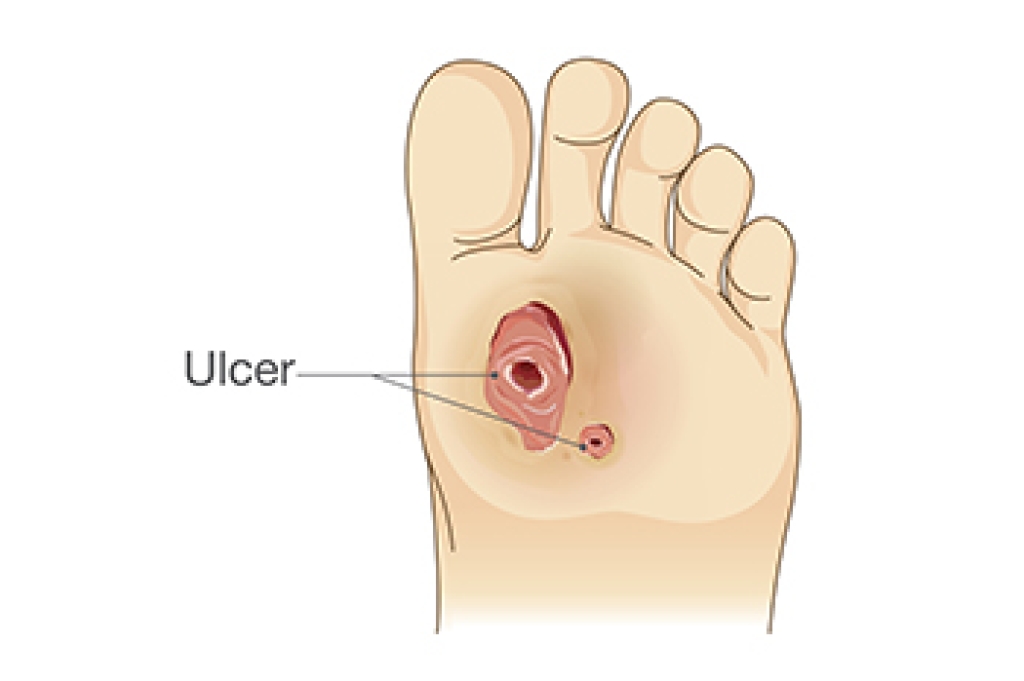
A foot ulcer is an open sore that develops on the foot and does not heal normally. It can begin with a small cut, blister, or area of pressure. Without proper care, the wound may become deeper and infected. Foot ulcers are especially common in people with diabetes. Understanding how they develop can help you recognize warning signs early and protect your feet from serious complications.

Diabetes can increase the risk of foot ulcers because high blood sugar may damage nerves and blood vessels over time. Nerve damage can reduce feeling in the feet, making it harder to notice pain or an injury. Poor circulation can also limit the oxygen and nutrients needed for healing. Common symptoms include an open sore, redness, or unusual odor. Some people may have little or no pain because of nerve damage.

Foot ulcers can develop from pressure, friction, or minor injuries. Other risk factors include diabetes, reduced circulation, and a history of previous ulcers. A podiatrist can examine the wound and surrounding skin to determine its severity. Treatment may include cleaning the ulcer, removing unhealthy tissue, and reducing pressure on the affected area. Infection may require medication. Circulation and nerve function may also be checked.

Early treatment can help prevent an ulcer from becoming more serious. Check your feet regularly for changes and avoid walking barefoot when possible. Wear properly fitted shoes that reduce pressure and protect the skin. Diabetes is a serious condition and may cause foot pain or wounds. If you notice a wound that is not healing, it is strongly suggested that you are under the care of a podiatrist who can offer effective relief and treatment solutions. 

Wound care is an important part in dealing with diabetes. If you have diabetes and a foot wound or would like more information about wound care for diabetics, consult with one of our doctors from Apache Foot & Ankle Specialists. Our doctor will assess your condition and provide you with quality foot and ankle treatment.

What Is Wound Care?

Wound care is the practice of taking proper care of a wound. This can range from the smallest to the largest of wounds. While everyone can benefit from proper wound care, it is much more important for diabetics. Diabetics often suffer from poor blood circulation which causes wounds to heal much slower than they would in a non-diabetic. 

What Is the Importance of Wound Care?

While it may not seem apparent with small ulcers on the foot, for diabetics, any size ulcer can become infected. Diabetics often also suffer from neuropathy, or nerve loss. This means they might not even feel when they have an ulcer on their foot. If the wound becomes severely infected, amputation may be necessary. Therefore, it is of the upmost importance to properly care for any and all foot wounds.

How to Care for Wounds

The best way to care for foot wounds is to prevent them. For diabetics, this means daily inspections of the feet for any signs of abnormalities or ulcers. It is also recommended to see a podiatrist several times a year for a foot inspection. If you do have an ulcer, run the wound under water to clear dirt from the wound; then apply antibiotic ointment to the wound and cover with a bandage. Bandages should be changed daily and keeping pressure off the wound is smart. It is advised to see a podiatrist, who can keep an eye on it.

If you have any questions please contact our office located in Las Vegas, NV . We offer the newest diagnostic and treatment technologies for all your foot and ankle needs.
Read more about Wound Care

Symptoms of RA in the Feet and Ankles

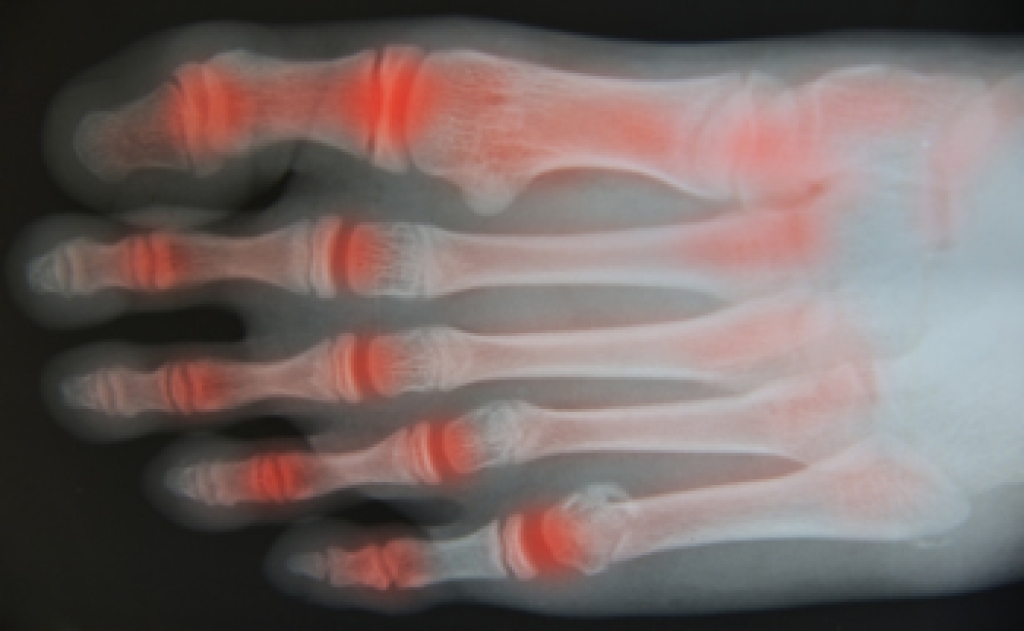
Rheumatoid arthritis, or RA, is an autoimmune disease that can affect the feet and ankles. It occurs when the immune system mistakenly attacks healthy joint tissues, causing ongoing inflammation. Rheumatoid arthritis can affect several joints and gradually change foot function. Pain, swelling, and stiffness are common symptoms. Stiffness may be especially noticeable in the morning or after sitting. Tenderness can make walking and daily activities uncomfortable.

Rheumatoid arthritis can affect joints, tendons, and other structures that support the foot and ankle. Inflammation may make movement uncomfortable and gradually contribute to joint damage or changes in foot shape. Important risk factors include having a family history of rheumatoid arthritis and exposure to certain environmental triggers. Smoking is another recognized risk factor. Women are diagnosed more often than men. These factors can increase susceptibility.

When rheumatoid arthritis affects the feet, a podiatrist will review symptoms and examine the feet and ankles. The evaluation may include checking joint movement, swelling, and walking patterns. Imaging tests may be recommended to assess joint damage. Blood testing may also be part of the medical evaluation, although a podiatrist may coordinate with a rheumatologist. Treatment can include wearing supportive footwear, custom orthotics, and bracing to improve comfort. Early care can help protect comfort, mobility, and function.

Managing rheumatoid arthritis often requires ongoing care because symptoms can change over time. A podiatrist can monitor foot and ankle health and address painful joints or pressure areas. Taking symptoms seriously can help prevent foot problems from becoming more limiting over time. If you have symptoms of rheumatoid arthritis in your feet or ankles, it is suggested that you consult a podiatrist for effective relief and management solutions. 

Because RA affects more than just your joints, including the joints in your feet and ankles, it is important to seek early diagnosis from your podiatrist if you feel like the pain in your feet might be caused by RA. For more information, contact one of our doctors of Apache Foot & Ankle Specialists. Our doctor will assist you with all of your podiatric concerns.

What Is Rheumatoid Arthritis?

Rheumatoid Arthritis (RA) is an autoimmune disorder in which the body’s own immune system attacks the membranes surrounding the joints. Inflammation of the lining and eventually the destruction of the joint’s cartilage and bone occur, causing severe pain and immobility.

Rheumatoid Arthritis of the Feet

Although RA usually attacks multiple bones and joints throughout the entire body, almost 90 percent of cases result in pain in the foot or ankle area.

Symptoms

  • Swelling and pain in the feet
  • Stiffness in the feet
  • Pain on the ball or sole of feet
  • Joint shift and deformation

Diagnosis

Quick diagnosis of RA in the feet is important so that the podiatrist can treat the area effectively. Your doctor will ask you about your medical history, occupation, and lifestyle to determine the origin of the condition. Rheumatoid Factor tests help to determine if someone is affected by the disease.

If you have any questions, please feel free to contact our office located in Las Vegas, NV . We offer the newest diagnostic and treatment technologies for all your foot care needs.

Read more about Rheumatoid Arthritis in the Feet

Painful Foot Corns and Why They Develop

A foot corn is a hard, cone-shaped bump of thickened skin that usually develops on the top surface of a smaller toe over a joint. Corns can also form along the pinky toe, especially where footwear creates repeated pressure. The thickened area develops as the skin protects itself from friction and stress. It can become painful when pressure pushes the hardened center into deeper tissue. Symptoms can include tenderness, aching, and pain while walking or wearing shoes.

The main causes of foot corns are repeated friction and pressure. Tight shoes can press against the toes, while a narrow toe box may force smaller toes into an uncomfortable position. Socks that bunch inside shoes can add rubbing. Toe deformities, including hammertoes, can also place a joint against the inside of footwear. The pinky toe is vulnerable because it can rub against the side of a shoe. People who spend long periods standing or walking may experience greater pressure.


A podiatrist can determine whether a corn is causing your discomfort and check for an underlying toe problem. Treatment may begin with gently removing excess thickened skin when appropriate. Your podiatrist may recommend wider shoes, protective padding, or custom orthotics to reduce pressure. Do not try to remove a corn yourself because this can injure healthy skin and cause an infection.


A painful foot corn should not be ignored. Changing footwear can help reduce pressure, but recurring corns may signal a structural issue that needs attention. A podiatrist can explain why the corn developed and create a treatment plan focused on healing and prevention. Properly fitted shoes can make walking easier while protecting your toes. Foot corns can be painful and may cause difficulty in completing daily activities. If you have a foot corn, it is suggested that you consult a podiatrist for effective relief and treatment solutions.

If you have any concerns regarding your feet and ankles, contact one of our doctors of Apache Foot & Ankle Specialists. Our doctor will treat your foot and ankle needs.

Corns: What Are They? and How Do You Get Rid of Them?
Corns can be described as areas of the skin that have thickened to the point of becoming painful or irritating. They are often layers and layers of the skin that have become dry and rough, and are normally smaller than calluses.

Ways to Prevent Corns
There are many ways to get rid of painful corns such as wearing:

  • Well-fitting socks
  • Comfortable shoes that are not tight around your foot
  • Shoes that offer support

Treating Corns
Treatment of corns involves removing the dead skin that has built up in the specific area of the foot. Consult with Our doctor to determine the best treatment option for your case of corns.

If you have any questions, please feel free to contact our office located in Las Vegas, NV . We offer the newest diagnostic and treatment technologies for all your foot care needs.

Read more about Corns and Calluses

Connect With Us

scroll to top